




Not every farewell needs to include a traditional funeral service.
For some families, a direct cremation offers a simpler way to care for someone after they die, without arranging a formal service beforehand. It can provide space to grieve privately, reduce some of the immediate decisions that need to be made, and allow family and friends to remember their loved one in their own way and in their own time.
At Windsor Funerals, we believe there is no single right way to say goodbye. Whether you choose a traditional funeral, a celebration of life, a small family gathering or a direct cremation, our role is to help you understand your options and make decisions that feel right for your family, values and budget.
What Is a Direct Cremation?
A direct cremation is a cremation without a formal funeral service beforehand. The person who has died is brought into our care, the necessary arrangements and paperwork are completed, and the cremation takes place. Their ashes are then returned to the family. Because there is no traditional funeral service attached to the cremation, the process is generally simpler and can involve fewer costs and decisions.
Simple, however, does not mean uncaring. Every person who comes into our care is treated with the same dignity and respect, regardless of the type of funeral or cremation their family chooses.
Why Do Families Choose Direct Cremation?
There are many reasons a family might decide that direct cremation is right for them.
For some, affordability is an important consideration. A large funeral service can include costs for venues, catering, flowers, service sheets, vehicles and other elements. Choosing a simpler cremation can reduce some of these expenses and allow families to celebrate their loved ones’ life in a more affordable way.
Other families simply do not feel that a formal funeral reflects the person who has died. The direct cremation approach works well when a loved one has specifically requested “no fuss”, and can also open up options for a less traditional style of memorial.
We’ve had families wanting to honour their loved one’s memory by scattering ashes in all sorts of places that are meaningful to them. If you have a unique memorial in mind, where loved ones gather somewhere that holds particular meaning like the beach or the top of a mountain, sometimes a direct cremation before the ceremony works better practically than navigating the challenges of getting a hearse and casket to a remote location.
For some people, direct cremation buys the family more time. Perhaps family members may live overseas and need time before gathering together. Perhaps for your family privacy is important. A direct cremation can allow immediate family members to grieve quietly before deciding whether they would like to hold a gathering later.
FAQs
What Is The Difference Between A Traditional Cremation And A Direct Cremation?
The main difference is what happens before the cremation. With a traditional cremation, there is usually a funeral beforehand, while a direct cremation is much simpler. There is no formal service before the cremation, so there are fewer arrangements to make and generally fewer associated costs. After the cremation, the ashes are returned to the family, who can then choose to hold a memorial, scatter the ashes or remember their loved one in another way at a later date. Both options can be meaningful. The right choice depends on your family, your budget and the kind of farewell that feels most appropriate.
Are Cremations Common In New Zealand?
Yes, cremation is now the most common choice in New Zealand, with 69% of people who died in 2025 being cremated. Around 1 in 4 NZ funerals are now direct cremations, and this is on the rise. It’s possible this could be due to the affordability factor, but also potentially partly due to the increased flexibility it gives families.
Can We Still Have a Funeral After a Direct Cremation?
Absolutely. Choosing direct cremation does not prevent you from celebrating someone’s life. In fact, some families appreciate having more time to plan a memorial once the immediate practical arrangements have been taken care of.
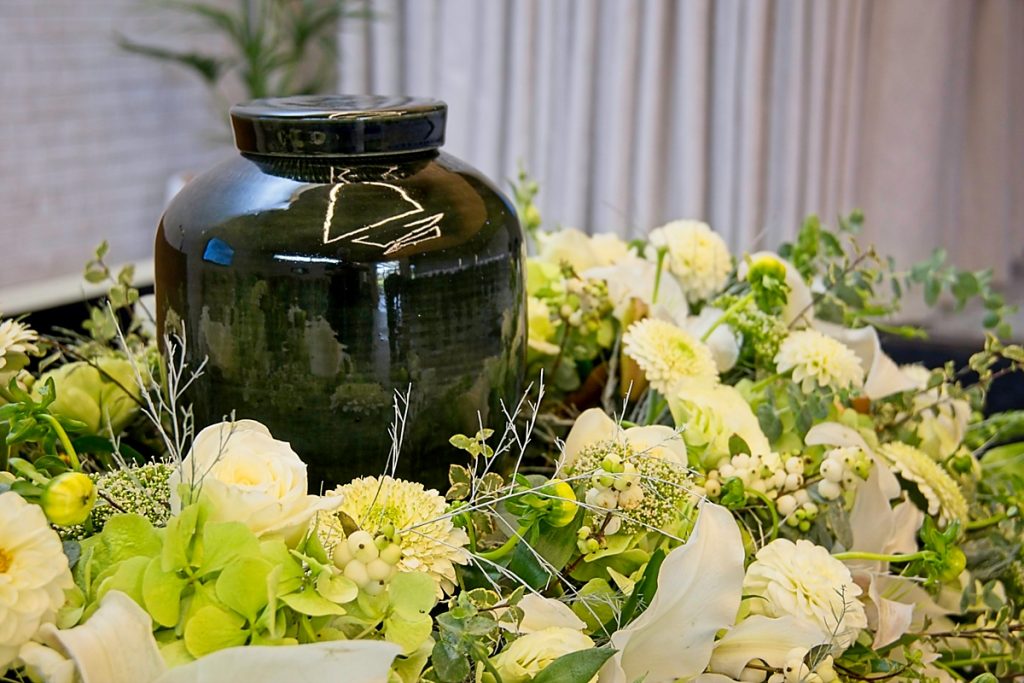
You might choose to gather several weeks or months later for a celebration of life. You could share a meal at home, hold a small memorial at a favourite location, organise a family gathering, or bring people together when relatives living further away are able to attend. You can have a full funeral after the cremation with all the bells and whistles too, with an urn displayed instead of a casket, it’s your choice.
The beauty of a direct cremation is that there is no set timetable. You can create a farewell that reflects the person you are remembering, rather than feeling pressured to organise everything within the first few days after their death.
Are There Rules About Where We Can Scatter Ashes?
Choosing where to scatter ashes can be a deeply personal decision, but it is important to check what is permitted before settling on a location.
In New Zealand, there are few national restrictions on scattering ashes, although local councils can set rules for public spaces. Ashes can generally be scattered on private property as long as you have the owner’s permission, while cemeteries and memorial gardens may have designated areas or require prior approval.
In Auckland, there can be restrictions around scattering ashes in a number of public and culturally significant places, including waterways, beaches, volcanic cones and some parks and reserves. It is also important to be mindful of tikanga Māori, particularly around waterways and places where food is gathered.
If you have somewhere special in mind, talk to us first. The Windsor Funerals team can help you check the requirements and find a respectful and meaningful place to farewell your loved one.
What Creative Options Are Available for Ashes?
An urn or scattering ceremony are not your only options. Today, there are some wonderfully creative ways to incorporate a loved one’s ashes into a lasting memorial.
A small amount of ashes can be encased in hand-blown glass art, incorporated into a ceramic memorial tile, placed inside jewellery, photo frames or decorative urns. You can see some of these options on our Funeral Choices page. One option we love is Reterniti stones, where ashes can be transformed into tactile cremation stones or pebbles that can be shared between family members.
For something living, biodegradable urns can be buried beneath a favourite tree or plant, creating a place to return to and remember. There are even specialist memorial diamond services available to New Zealand families, although the processes used vary between providers, so it is worth asking exactly how the ashes are incorporated.
We have seen families choose some wonderfully personal ideas, and we are always happy to explore something a little different. If you have an idea in mind, ask us. We can help find out what is possible and how to make it happen.
Is Direct Cremation Less Personal?
A direct or simple cremation can be just as personal as a full, large-scale funeral service, sometimes even more so. Our team will take the time to listen to your family, understand what matters to you and explain the choices available. You may have particular wishes around clothing, a casket, how the ashes are returned or what happens afterwards. Even small decisions can carry meaning. Sometimes simplicity itself is what best reflects the person who has died.
Do You Embalm The Person Before Cremation?
Not always. Sometimes we will collect the body, bring them back to our care and then take them directly to the crematorium once the paperwork is ready. Other times, the family wishes to spend some time with their loved one beforehand. Time together can be either at our purpose built premises, with a room especially dedicated for use by family and friends, or in your own home. We can work with you on the best option for your family, whether they come to us straight away, whether the body stays at home for a time, or whether we embalm them so you have time before they are cremated.
Do Direct Cremations Still Need a Casket?
You can be cremated in either a casket or a shroud. A shroud is a cloth to wrap the body, which is then placed onto a wooden board or shroud bearer. Some crematoriums request that a coffin is used, so it’s worth having a discussion with us as you explore your options. Some people ask us if the casket also gets cremated, and the answer is yes, the whole casket including the handles are cremated. We ensure that nothing is removed from a casket unless requested by the family, and no caskets are ever re-used.
A Farewell That Feels Right for Your Family
Some families find comfort in a traditional funeral surrounded by friends and relatives. Others want something completely different. Both are valid. Direct cremation can offer a straightforward, affordable option for families who value simplicity, privacy or flexibility.
Whatever you choose, the most important thing is that it feels right for you.
If you are considering direct cremation in Auckland or would simply like to understand your options, contact the Windsor Funerals team. We are happy to answer your questions, explain the process clearly and help you decide what works best for your family. We’re here for you every step of the way.